Mexico and Colombia warn of digital fraud
Buró de Crédito, CONDUSEF and Banco de Bogotá flagged identity theft, SMS, WhatsApp and vishing as top threats.
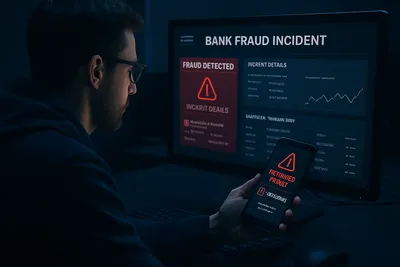
Buró de Crédito named identity theft the top cyber threat for Mexicans, ahead of credit card fraud and data leaks. CONDUSEF warned of rising SMS and WhatsApp scams in Jalisco, while Banco de Bogotá flagged calls spoofing official numbers to steal credentials and data.
Update October 7, 2026: In the Colombian case previously mentioned in this article, the judicial information cited by the outlet specified that the events allegedly took place between April 18 and August 9, 2024, and involved 19 clients of the financial institution.
Buró de Crédito identified identity theft as the top cyber threat for Mexicans, with 42% of responses, ahead of credit card fraud and data leaks, according to Expansión. At the same time, CONDUSEF warned about a rise in financial scams through SMS and WhatsApp in Jalisco, and Banco de Bogotá cautioned about calls that mimic official numbers to steal passwords and data.
What is growing in Mexico?
Mexico is seeing signs of a more varied fraud landscape. Between January and May 2026, there were 35,762 complaints of possible financial fraud, according to a report cited by Fast Company México. The same survey found year-over-year increases in multiple banking, SOFIPOs and SOFOMES, while BioCatch reported that banking fraud attempts rose 35% and that mobile devices accounted for 90% of fraudulent sessions in an analysis of more than 370 financial institutions.
CONDUSEF's alert in Jalisco focused on messages that push people to open links, share personal information, or contact the scammers. The pattern matches what Diario Panorama described as a mix of identity spoofing, fake benefits, misleading messages, phone calls, fake websites, and AI-generated content used to imitate public figures.
What is happening in Colombia and what techniques are appearing?
In Colombia, Asobancaria reported, according to DPL News, that 997 financial data thefts, 63 identity spoofing cases, and 94 cyberattacks per second against banking entities are recorded daily. Added to that is the prosecution of three people over an alleged computer fraud that may have affected clients of a bank and generated irregular movements of more than 870 million pesos, according to Publimetro Colombia.
According to the judicial information cited by the outlet, those events allegedly took place between April 18 and August 9, 2024, and involved 19 clients of the financial institution. Banco de Bogotá, for its part, warned about vishing, a technique that uses calls imitating official numbers to obtain passwords, security codes, or personal information. The trend is not isolated: DPL News also said Colombia is seeing a new generation of AI agents capable of committing fraud, in a context where automation is beginning to speed up campaigns and sharpen deception attempts.
What other scams are spreading across the region?
Chile and Argentina added warnings about schemes that target control of the mobile phone and access to accounts. T13 described sim swapping, where criminals leave a phone without signal in an attempt to access the victim's accounts, while BioBioChile reported, with unconfirmed attribution, that Subtel may have received 700 complaints about unrecognized porting requests during 2026, possibly tied to that method.
In Argentina, La Nación said Ualá recommends remotely locking the device and reporting the line to the mobile carrier after a stolen phone. In Brazil, G1 explained that if a victim detects an unrecognized PIX transaction after an AI-driven scam, they should challenge the operation immediately through the bank's app or official channel and request the Special Return Mechanism.
How is artificial intelligence entering these scams?
AI is being used to automate campaigns, generate fraudulent content, find vulnerabilities, and tailor messages to each victim, according to Clarín, which cited BTR Consulting's Cybercrime First Half 2026 report. That report mentioned WhatsApp account takeovers, bank impersonation, and highly personalized phishing, smishing, and vishing campaigns.
Fintech Global added that the fraud-as-a-service model is expanding with synthetic identities, forged documents, deepfake material, and more personalized phishing messages. In the same vein, a corporate article from Topaz, citing Serasa Experian's Fraud Map, said Brazil logged 2,860,957 identity fraud attempts in the first half of 2026, a year-over-year increase of 32.9% and one case every 5.5 seconds, although that figure needs to be checked against the original report before being published as final.
Sources
- Se infiltró en un banco para robar datos y defraudó más de $870 millones era toda una red criminalpublimetro.co· Publimetro Colombia
- Se roban tu número telefónico para cambiarte la contraseña del banco: así opera la estafa del momentobiobiochile.cl· BioBioChile
- Banco de Bogotá alerta por llamadas que imitan números oficiales para robar claves y datosinfobae.com· Infobae
- Golpe com IA: os sinais que você aprendeu a procurar já não funcionam tão bem; veja como se protegerg1.globo.com· G1
- Colombia | La nueva generación de agentes de IA capaces de cometer fraude amenaza la seguridad digitaldplnews.com· DPL News
- Fraude digital pone a prueba la verificación de identidad en la industria financieramundoenlinea.cl· Mundo en Línea
- Millones en préstamos: el riesgo menos pensado de que te roben el celular y qué hacer si eso pasalanacion.com.ar· La Nación
- LATEST: 90% of banking scam attempts now originate on mobile devices, reportamlintelligence.com· AML Intelligence
- Intentos de fraude bancario suben 35% mientras los móviles concentran el 90% de las sesionesfinancefeeds.com· FinanceFeeds
- How Fraud-as-a-Service is reshaping financial crimefintech.global· Fintech Global
- CONDUSEF alerta por fraudes financieros mediante SMS y WhatsApp en Jaliscocronica.com.mx· Crónica
- 'Sim swapping', la nueva modalidad de estafa donde delincuentes apagan tu celulart13.cl· T13
- Robo de identidad y el fraude son las mayores amenazas para los mexicanos: Buró de Créditoexpansion.mx· Expansión
- Ciberdelitos en aumento: las claves para evitar estafas virtuales y proteger tu dinerodiariopanorama.com· Diario Panorama
- Fraude bancária: tipos, impactos e prevenção com IAtopazevolution.com· Topaz
- Fraude financiero en México: prioridad para 2027fastcompany.mx· Fast Company México
- Las estafas de siempre ahora son más difíciles de detectar: qué cambió con la IA y cómo protegerseclarin.com· Clarín
- Employment scam victims tripled at financial firms in 21 countrieshelpnetsecurity.com· Help Net Security