Mexico CNBV links multibiometrics to KYC
CNBV is pushing multibiometrics in Mexican banks for high-risk transactions, tied to KYC, AML, and official government databases.
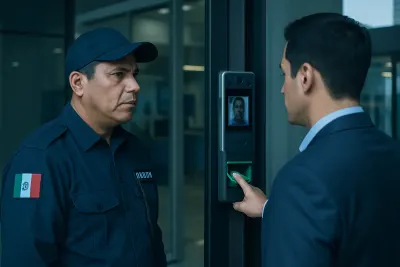
Mexico’s new CNBV-backed rules tie multibiometric verification to cash transactions above 140,000 pesos and point it at N3 and N4 accounts, according to local press coverage. Banks would be able to compare fingerprints or facial features against official databases from agencies such as the INE, SRE and SAT, within an existing KYC and anti-money laundering framework.
Multibiometrics for higher-risk transactions
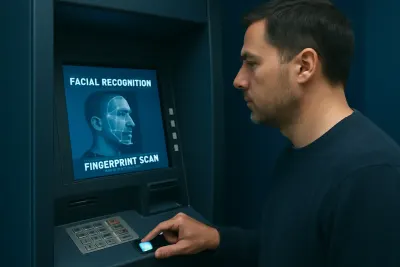
The new regulation attributed to the CNBV ties multibiometric verification to cash transactions above 140,000 pesos, requiring either a fingerprint or facial recognition to authorize deposits and withdrawals at that threshold. Coverage published in Mexico also places the measure’s focus on bank accounts classified as N3 and N4.
Press reports say the mandatory use of multibiometrics is aimed mainly at higher-risk activity, including large cash movements and N3 and N4 profiles. The regulatory logic, according to that coverage, is to fold biometric verification into the AML and counter-terrorist financing risk matrix to reduce banking fraud and other financial crimes.
How it fits with KYC and AML
In Mexico, the KYC processes applied to banks and fintechs are already governed mainly by the Credit Institutions Law, the Financial Technology Institutions Law, known as the Fintech Law, and the general anti-money laundering and counter-terrorist financing rules issued by the Finance Ministry and the CNBV, according to FIMPE.
Within that framework, the new requirement does not stand alone. It adds another layer of identity verification. Local business coverage says financial institutions will be able to compare customer biometric data with federal official databases, including those run by the INE, the SRE, the SAT and other agencies that provide biometric verification services. The stated goal is to cut identity theft and money laundering.
Technical adjustments for banks
The change also means stronger cybersecurity and biometric capture controls. According to a business-focused press analysis, adopting facial biometrics in Mexican banks brings specific technical challenges because first-pass verification error rates can range from 8% to 12%.
That same analysis adds that after a second attempt, with added instructions or capture adjustments, the error margin could fall to roughly 3% to 5%. That does not undercut the regulatory aim, but it does show that operational rollout will require tolerances, process reviews and protection for the biometric data used in verification.
Sources
- El reto de los bancos no es reconocer rostros, sino protegerlosamp.milenio.com· Milenio
- La CNBV exige a bancos mexicanos verificar a sus clientes con multibiometría obligatoriacointelegraph.es· Cointelegraph en Español
- Qué es KYC en México: Guía para Bancos y Fintechsfimpe.org· FIMPE
- Bancos pedirán huella dactilar o reconocimiento facial para retiros y depósitos mayores a 140,000 pesos con una nueva regulación de la CNBVelimparcial.com· El Imparcial