Paraguay Investigates Ueno Bank Biometric Data
The Senate urged MITIC and the Central Bank to help prosecutors protect personal, credit and biometric data tied to Ueno Bank.
The Paraguayan Senate approved a statement asking MITIC and the Central Bank to work with prosecutors on protecting personal, credit and biometric data tied to more than 3 million Ueno Bank customers.
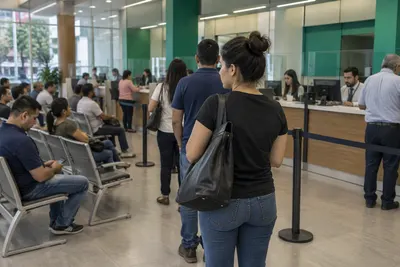
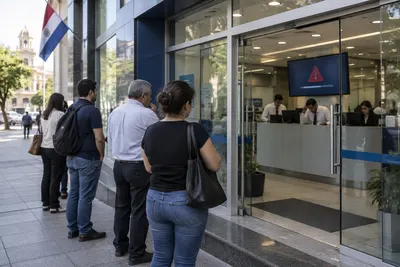
Update November 23, 2026: Paraguay's Senate approved a statement urging MITIC and the Central Bank to work with prosecutors to protect personal, credit and biometric data tied to Ueno Bank. The initiative also called for an investigation into how that information was handled, in a case that expanded after the bank's app, cards and branches were blocked following its intervention on November 3.
Paraguay's Senate approved a statement asking MITIC and the Central Bank of Paraguay to work with the Public Prosecutor's Office on the investigation and safeguarding of personal, credit and biometric data tied to more than 3 million Ueno Bank customers. The move widened the debate over who controls that data, whether it was extracted or used unlawfully, and what will happen to systems linked to the group associated with the bank.
What was compromised after Ueno Bank's collapse?
TEDIC said Ueno's ecosystem collected faces, selfie videos and financial histories from about 3 million people. Diario HOY added that the bank used facial recognition and fingerprints to verify identities and grant access to its services.
The debate deepened after Eju.tv reported that biometric data for at least 3 million customers could be at risk of unlawful use after the bank's collapse, amid legal gaps in Paraguay's data protection framework. That report also said it was not known who had access to that data or how it would be protected.
What risks are being raised around that material?
ADN Digital reported warnings from Paraguay Ciberseguro about the risks of handing over biometric data without controls, including the possibility that a leak could help people contract services, request loans, make purchases or sign contracts through identity theft. That is the main concern described by the sources consulted.
TeleSemana's coverage added that a 2025 investigative report by Consenso had identified a leak affecting Ueno users and customers of other institutions, exposing account numbers, ID numbers, amounts, contact information and SWIFT codes. In its timeline, TEDIC placed the online appearance of about 100,000 transfers, including document numbers, account data and amounts, in August 2025, and said the bank denied that a breach had occurred.
What are authorities and legal analyses saying?
Central Bank of Paraguay President Jorge Schreiner told the Senate that Ueno's owners were seeking to build a biometric database for the country in order to do business with it, a statement presented as an official declaration and not as a judicial conclusion. A legal analysis published by MarketData said that the interveners appointed by the Central Bank assume the management and responsibility for processing customer information during the resolution procedure.
That analysis added that the interveners must preserve the integrity, confidentiality and availability of the databases without suspending banking secrecy. InfoNegocios Paraguay also noted that if some of the information were stored with outside technology providers, the interveners should require it to be preserved and prevent uses inconsistent with its original purpose.
Were there calls for an investigation?
The Paraguayan Catholic Church called for an investigation into whether Ueno Bank sold or trafficked the biometric data of nearly 2.94 million customers, although the coverage made clear there was no judicial proof of that conduct at the time. It is the same line of concern running through the rest of the public debate over the case.
The discussion also included the context of Law 7593/2025, which has already been enacted but is still in a transition period and awaiting regulations for practical enforcement, according to an INPLP analysis also published under the EuroCloud banner. Separately, Diario HOY reported raids on a security company linked to Grupo Vázquez in the Ueno Bank case, although the available excerpt does not establish the outcome or a direct link to any possible data exposure.
Sources
- From Law to Practice: Paraguay’s Data Protection Transitioninplp.com· INPLP / EuroCloud
- Ueno Papers: The Digital Activists Exposing Paraguay's Banking Scandaltheparaguaypost.com· The Paraguay Post
- La Iglesia católica de Paraguay pidió investigar si Ueno Bank comercializó datos biométricos de casi tres millones de clientesinfobae.com· Infobae
- ¿Qué pasará con los millones de datos biométricos recopilados por Ueno Bank en Paraguay?eju.tv· Eju.tv
- Caso UENO: biometría, datos personales y la deuda del Estado paraguayotedic.org· TEDIC
- Rostros y huellas en riesgo: alertan sobre la exposición de datos biométricoshoy.com.py· Diario HOY
- Advierten sobre los riesgos de entregar datos biométricos sin controladndigital.com.py· ADN Digital
- Los datos de un país, un activo en el limbo tras la caída de uenoultimahora.com· Última Hora
- La información biométrica de Ueno y los límites legales para su utilización dentro del grupo económicomarketdata.com.py· MarketDataUnverified URL
- The UENO Case: Biometrics, Personal Data, and the Paraguayan State’s Debttedic.org· TEDIC
- Ueno Bank: De la insolvencia financiera al tráfico y riesgo de los datos biométricostelesemana.com· TeleSemana
- Caso ueno y los datos biométricos: Verificar la identidad de un cliente no autoriza a archivar su rostro para siempreinfonegocios.com.py· InfoNegocios Paraguay
- Paraguay — Senado insta al MITIC y al BCP a proteger los datos de millones de clientes de Uenoprensamercosur.org· Prensa Mercosur
- El Senado pidió resguardar los datos biométricos de Ueno por temor al robo de identidadlapoliticaonline.com· La Política Online Paraguay
- Qué pasará con las caras y huellas de 3 millones de clientes de Ueno Bankcriptonoticias.com· CriptoNoticiasUnverified URL
- Advierten peligro de que datos biométricos que recababa Ueno terminen en manos de delincuentesadndigital.com.py· ADN Digital
- Senado insta a investigar el manejo de datos biométricos de 3 millones de usuarioslanacion.com.py· La Nación Paraguay
- From law to practice: Paraguay’s data protection transitioneurocloud.org· EuroCloud Europe
- Piden al Mitic y BCP resguardar datos biométricos de más de 3 millones de clientes de Uenohoy.com.py· Diario HOY
- Allanan empresa de seguridad vinculada al Grupo Vázquez en el caso Ueno Bankhoy.com.py· Diario HOY