NSA warns on Russia-linked routers
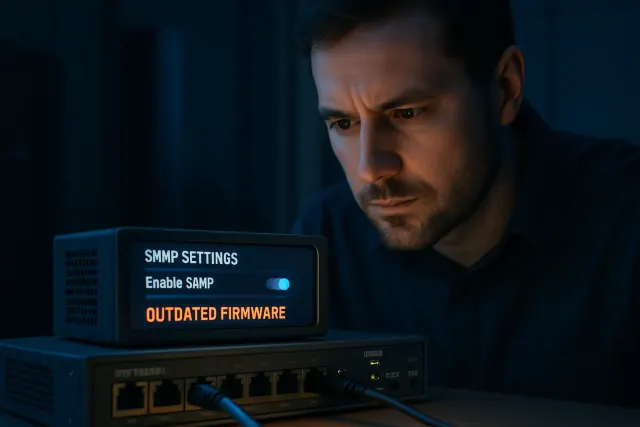
US and allies warned of a Russia-attributed campaign exploiting routers with weak SNMP, default passwords and unpatched firmware.
The NSA attributed a hacking campaign against routers with default passwords or insecure SNMP community strings to Russia-linked actors, in a joint international advisory published with CISA and 18 agencies from 12 countries. The notice focuses on internet-exposed equipment and broadens the scope beyond corporate networks.
The NSA has attributed a hacking campaign against routers with default passwords or weak SNMP community strings to Russia-linked actors in an international alert on the exploitation of these devices. The notice was released as joint advisory AA26-194A, titled "Improve Router Hygiene to Protect Against Russian State-Sponsored Targeting," and carries the signatures of CISA, the NSA and 18 agencies from 12 countries.
What does the alert identify?
According to CISA, the scope is global. The warning targets actors linked to FSB Center 16, who are looking to exploit routers and other internet-facing devices with SNMP v1 and v2 enabled, default passwords and open management ports. The services mentioned include SNMP 161 and 162, SNMPv3 10161 and 10162, TFTP 69 and Cisco Smart Install 4786.
According to Infobae, U.S. Center 16 tracks the internet for routers that still use default passwords or unsafe SNMP community strings, with the goal of identifying vulnerable devices that could be exploited in this campaign.
What technical measures does the guidance recommend?
The official guidance calls for a mandatory move to SNMPv3 with authentication and encryption. It also recommends disabling SNMP v1 and v2, turning off Cisco Smart Install, and applying access control lists so management protocols are reachable only from out-of-band administration networks. In addition, it advises monitoring SNMP Set-Requests aimed at sensitive OIDs.
The NSA framed the campaign as part of a broader pattern of using vulnerabilities that are up to 20 years old in routers and network equipment. The agency said many devices remain in production with outdated firmware and legacy configurations, a combination that makes initial access to critical networks easier.
Who does this affect beyond large networks?
External technical analysis of the advisory says the recommendations also apply to home environments and small homelabs, not just corporate networks. The reason is the large number of SOHO routers with SNMP enabled and default passwords, which expands the potential pool of victims beyond critical infrastructure.
Independent coverage from the UK and specialized media also said the alert was issued together with Britain's NCSC and other allied agencies. That material agrees that the focus of FSB Center 16-linked attackers is on legacy SNMP configurations and unpatched firmware as enablers of access to critical sectors, rather than on a specific zero-day vulnerability.
Spanish-language technical outlets added that FSB Center 16 is scanning exposed SNMP services at scale, using default or trivial passwords to gain initial access, pivot inside the network and reach critical infrastructure systems.
Sources
- UK and Allies Warn on Russian Targeting of Network Devicesstjamesbriefingroom.substack.com· St James Briefing Room
- NSA-Advisory AA26-194A: FSB greift Router via SNMP anlapalutschi.de· lapalutschi.de
- Rusia usa routers inseguros para atacar infraestructuras críticasmentehackers.com· MenteHackers
- Estados Unidos se sumó a la alarma internacional por el hackeo de routers: la NSA atribuye los ataques a Rusiainfobae.com· Infobae
- NSA and Partners Release Guidance on Improving Router Hygiene to Protect Against Russian State-Sponsored Cyber Actorsnsa.gov· NSA
- Improve Router Hygiene to Protect Against Russian State-Sponsored Targeting (AA26-194A)cisa.gov· CISA