Mexico requires liveness checks for digital accounts
Mexico keeps liveness checks for digital account opening and adds deadlines for biometrics reporting and system updates under CNBV rules.
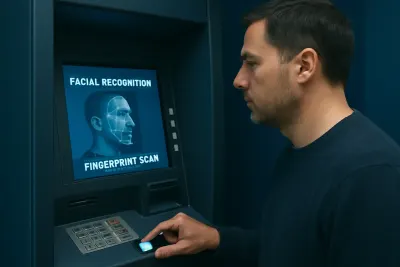
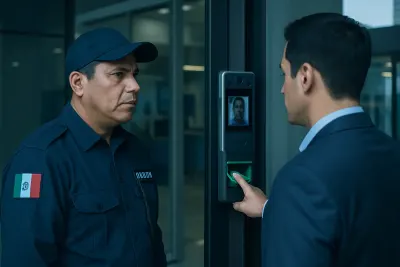
From July 15, 2026, Mexico requires a liveness check to open digital accounts, with real-presence detection and biometric review under CNBV rules. The measure also requires institutions with biometric databases to report their status and update their systems.
Update November 18, 2026: The note now adds that financial institutions with biometric databases had 30 calendar days to report their status and operation to the CNBV, and 90 business days to adapt their technology systems.
Since July 15, 2026, Mexico has required a liveness check as a mandatory step for opening digital accounts, using real-presence detection and biometric review under rules set by the CNBV. The measure affects institutions that run remote onboarding and the Mexican banking sector in its customer onboarding processes.
What changes for digital account opening?
The new rule adds to Mexico's tighter identity verification and fraud management requirements for banks, a regulatory front that had already been reshaping customer onboarding and account-opening controls. Based on the available material, regulators are focusing on making sure validation goes beyond collecting data or images and can confirm that the person is actually present during the process.
What does this mean for banks and credit institutions?
The change also has an operational side. For banks and credit institutions, compliance is not limited to adding another authentication layer. It requires reviewing onboarding flows, interoperability with the authority's biometric databases, and the internal compliance criteria that support the opening of digital products.
In addition, according to Mobile Time Latinoamérica, financial institutions with biometric databases had to inform the CNBV within 30 calendar days about the status and operation of those databases. They also had up to 90 business days to adapt their technology systems.
What do the available sources say about the measure?
Among the available sources, Cointelegraph en Español attributes to the CNBV the requirement to verify customers through biometric mechanisms, while Nómada Capital refers to a reform that redefines fraud management in Mexican banking. Ladonware, for its part, addresses who could be excluded from this framework, a relevant point for understanding the practical scope of the measure for users and institutions. Help-AI México, finally, places the liveness check as a mandatory requirement for digital accounts with immediate effect from July 15, 2026.
Against that backdrop, the regulatory shift aims to strengthen identity validation and raise the technical and compliance demands on remote account-opening channels in Mexico.
Does remote identity verification meet the regulatory requirements to open accounts?
Yes, the article says that in Mexico, remote verification becomes part of the regulatory requirements for opening digital accounts as of July 15, 2026. The requirement combines liveness checks, real-presence detection, and biometric review under CNBV rules.
That means validation cannot be limited to capturing data or images. It must also show that the person is present during the process and support compliance across the remote onboarding flows used by banks and credit institutions.
Sources
- La reforma que redefine la gestión del fraude en la banca mexicana - Nómada Capitalnomada-capital.com· Nómada Capital
- Prueba de Vida: Nuevo requisito obligatorio para la apertura de cuentas digitaleshelp-ai.mx· Help-AI México
- Biometría bancaria en México: quién queda afueraladonware.com· Ladonware
- Cuenta Nivel 2 Bis: identificación digital en Méxicosovos.com· Sovos SSA
- México endurece controles biométricos en la bancamobiletime.la· Mobile Time Latinoamérica
- Cuenta Nivel 2 Bis: Reforma DCG Bancos 2026kyc-systems.com· KYC Systems
- Cuenta Nivel 2 Bis: sin RFC no significa sin rastromiboconsultores.com· MiBO Consultores
- Biometría Obligatoria en Bancos: qué es y desde cuándodigid.com.mx· DigiD