Brazil's TSE and Microsoft target election disinformation
Brazil’s electoral court and Microsoft Brazil expanded cooperation to counter election disinformation and AI manipulation, with a focus on audio deepfakes.
Brazil’s Superior Electoral Court and Microsoft Brazil announced a memorandum to strengthen responses to disinformation about the electoral process. The agreement includes training on Azure Speech AI to authenticate and protect voices against audio deepfakes, plus steps to prevent misuse of Copilot and Bing in situations tied to Brazil’s election.
Update November 18, 2026: the memorandum between the TSE and Microsoft Brazil was set to run through July 31, 2027, with no transfer of financial resources between the parties. The planned training also includes content on the electoral process and the 2026 General Elections, while the TSE had already set deadlines for platforms to submit plans against disinformation and malicious AI use.
Brazil’s Superior Electoral Court and Microsoft Brazil announced a memorandum of understanding to strengthen responses to disinformation about the electoral process. The agreement includes training on Azure Speech AI to authenticate and protect voices against audio deepfakes, along with measures aimed at preventing misuse of Copilot and Bing in matters tied to Brazil’s election.
What does the partnership include?
The partnership calls for joint work to address misleading content and technology abuse linked to Brazil’s electoral process. According to the press release from the Regional Electoral Court of Espírito Santo, Microsoft also committed to acting against the misuse of its generative services when they are tied to the election, always within its policies, legal requirements, and technical limitations.
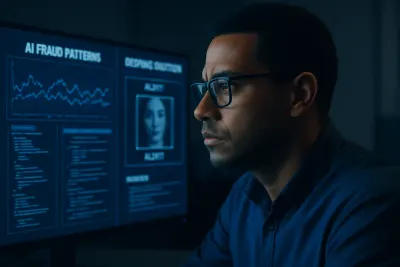
In practice, the focus is not only on detecting disinformation, but also on voice authentication, a sensitive issue as audio deepfakes become more capable. The memorandum aims to strengthen the Brazilian electoral system’s institutional capacity to respond to that kind of manipulation, in a setting where synthetic content generation is already a operational concern.
What does the agreement say about Microsoft’s tools?
The understanding provides that Microsoft will work to prevent abuse of Copilot and Bing in electoral contexts, but always within its internal policies, applicable law, and the technical limits of each service. That clause defines the real scope of the collaboration and limits what the company can do against manipulation or fraud attempts.
The reference to Azure Speech AI adds a specific technical layer. The training is intended to use that technology to authenticate voices and strengthen their protection against audio imitation, a method that can make it harder to identify fake messages or impersonation in disinformation campaigns.
How long will the memorandum be in force?
The memorandum of understanding between the TSE and Microsoft Brazil will remain in force until July 31, 2027, and does not provide for any transfer of financial resources between the institutions, according to the Regional Electoral Court of Goiás.
That detail defines the administrative scope of the partnership and confirms that it is a technical cooperation effort without budget transfers between the parties. The time frame also places the joint work within Brazil’s electoral calendar and the follow-up actions that may continue during that period.
What deadlines did the TSE set?
The TSE said digital platforms had until August 16, 2026, to submit their plans to prevent disinformation and the malicious use of artificial intelligence, according to Diario Libre.
That requirement is part of the regulatory pressure on digital services that can be used to amplify manipulated or automated content. At the same time, the planned training between the TSE and Microsoft also includes the development of content on the electoral process and the 2026 General Elections, according to Folha de Pernambuco.
Why does this matter in Brazil?
Brazil is on the regional radar for the use of AI as operational support in intrusion campaigns and as a tool for deepfake fraud, according to the reference sources available for this coverage. In that context, the alliance between the TSE and Microsoft is part of an institutional response that combines disinformation mitigation with control over the use of generative tools in the electoral debate.
The coverage also intersects with Brazil’s election rules on synthetic content, although the material provided does not spell out those standards or add directly attributable figures for this report. For that reason, the confirmed scope of the announcement is limited to the memorandum, the technical training, and the prevention of abuse of generative services in the electoral process.
Sources
- TSE e Microsoft firmam parceria para combater a desinformação sobre o processo eleitoraltre-go.jus.br· Tribunal Regional Eleitoral de Goiás
- TSE e Microsoft firmam parceria para combater a desinformação sobre o processo eleitoraltse.jus.br· Tribunal Superior Eleitoral
- La Justicia Electoral de Brasil pide a las redes sociales un plan contra la desinformacióndiariolibre.com· Diario Libre
- Microsoft promete ao TSE combater desinformação em serviços de IAestadao.com.br· O Estado de S. Paulo
- TSE e Microsoft assinam parceria para combate à desinformaçãofolhape.com.br· Folha de Pernambuco
- Terror digital: 5 casos reais de golpes com IA em 2026geekpopnews.com.br· GeekPop News
- TSE e Microsoft firmam parceria para combater a desinformação sobre o processo eleitoraltre-es.jus.br· Tribunal Regional Eleitoral do Espírito Santo
- Brazil — Global AI Monitorartificial-intelligence.gi· Global AI Monitor
- A IA virou assistente do cibercrime e está acelerando ataques na América Latinagizmodo.com.br· Gizmodo Brasil